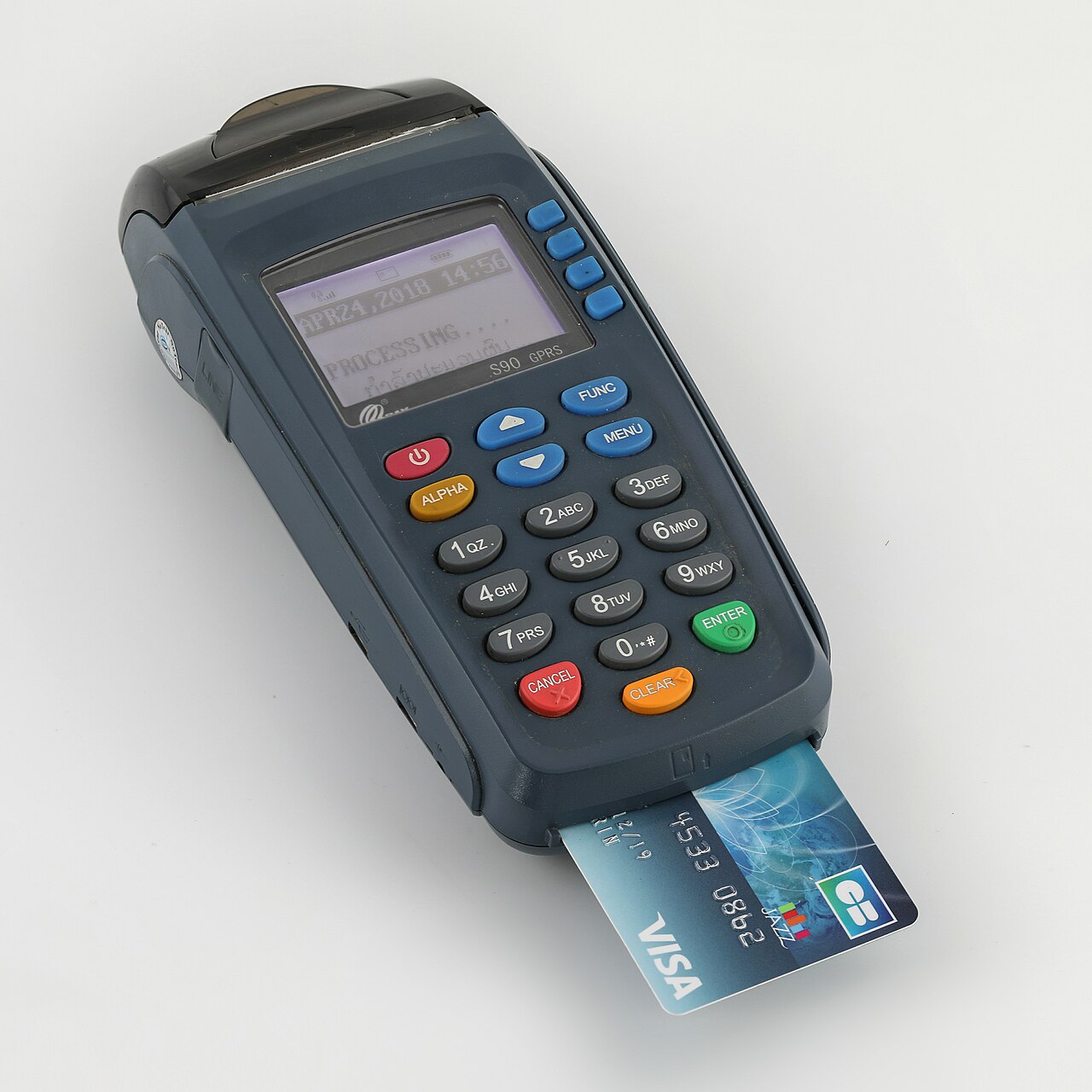

A refund and a card dispute can both put money back on a statement, but they start in different places. A refund is a merchant correcting or unwinding a sale under its policy, contract, or applicable law. A dispute asks the card issuer to investigate a charge through the process that applies to the account and the claimed error. Neither label, by itself, promises that the cardholder will win.
Start with the nature of the problem
Use the merchant route when the seller recognizes the order and the disagreement is about a return, cancellation, missing parcel, duplicate capture, or promised credit. Ask what remedy the merchant is offering: money returned to the original payment method, store credit, replacement, or partial adjustment. Save the return tracking number and the merchant's confirmation. Merchant contact does not pause an issuer deadline and is not a prerequisite to reporting an unauthorized charge. Contact the issuer promptly if a charge is unfamiliar, unauthorized, or approaching the issuer's notice deadline; a cardholder can contact the merchant and issuer in parallel.
Consider the issuer route when the merchant cannot be identified, the charge was not authorized, the amount is wrong, the statement misidentifies the transaction, goods were not accepted or delivered as agreed, or a promised credit never appears. For U.S. credit cards and other open-end credit, the federal billing-error categories are defined in Regulation Z section 1026.13. Debit-card and prepaid-account errors can follow different Regulation E procedures, so do not copy a credit-card checklist onto every card.
The FTC's credit-card dispute guide says that a consumer seeking the federal billing-error procedure should send written notice to the issuer's billing-inquiries address so it arrives within 60 days after the first bill containing the error was sent. That deadline is specific to this credit-card process; an issuer may offer other channels, and other claims or payment products can have different rules.
Avoid a double credit
A common trap is running both paths without keeping them synchronized. Regulation Z's official interpretation gives an example in which an issuer posts a $100 dispute credit and the merchant later posts another $100 credit. The issuer may reverse its credit once the merchant's credit posts, provided the remaining credit still corrects the error without extra fees. A temporary credit is therefore not necessarily a final outcome.
Tell the issuer if the merchant refunds you while an investigation is open. Tell the merchant if an issuer has already resolved the charge. Never edit receipts or claim that a recognized purchase was unauthorized merely because the seller declined a return.
A practical evidence packet
For a clearly hypothetical $84 lamp that never arrived, keep:
- the order confirmation, promised delivery window, and card statement;
- tracking history and a screenshot of the seller's delivery promise;
- dates, names, and case numbers from merchant contacts;
- the refund confirmation, if one was issued;
- every issuer letter, upload receipt, and provisional-credit notice.
Write a one-sentence theory of the problem: “The $84 charge is mine, but the lamp was not delivered as agreed.” That is more useful than calling every disagreement “fraud.” Pay the undisputed part of the bill and follow the issuer's instructions for the disputed amount.
Decision check
Ask four questions before acting: Do I recognize the seller? What exactly is wrong? Has a merchant credit already posted? Which account type funded the purchase? If the answer changes, update the other party. For a large loss, unclear contract, or missed deadline, a consumer attorney or qualified local adviser can assess rights that a general field note cannot.
Sources
- CFPB, Regulation Z § 1026.13: Billing error resolution
- Federal Trade Commission, Using Credit Cards and Disputing Charges
Evidence & dates
Prepared 19 Sept 2026 · source checks 19 Sept 2026 · website publication pending. Undated means no publication date was established on the reviewed page.
Consumer Financial Protection Bureau · Regulation Z § 1026.13: Billing error resolution
Credit-card billing-error categories, notice contents, investigation procedure, and treatment of duplicate issuer and merchant credits.
Source publication date: undated · checked 2026-09-19 · full page reviewed
Read the primary source ↗Federal Trade Commission · Using Credit Cards and Disputing Charges
Page displays May 2022 without a day; supports consumer steps for credit-card billing errors, written notice timing, evidence, and merchant-first handling of quality complaints.
Source publication date: undated · checked 2026-09-19 · full page reviewed
Read the primary source ↗