Passkeys resist phishing only if recovery does too
Map synced and device-bound passkeys, backups, weak fallbacks, and device-loss recovery before changing sign-in methods.
Source-checked guide
A payment request can look familiar and still need a second look. Use a few deliberate checks before money leaves your account.
Double-check the destination before paying. An unexpected request from someone you know deserves a separate conversation.
Use multifactor authentication where available. Don’t share account credentials with someone who contacts you.
Contact the payment provider if you suspect a scam or an unauthorized payment. The FTC also accepts scam reports; reporting does not promise reimbursement.
Source: Federal Trade Commission . Checked 19 Sep 2026.
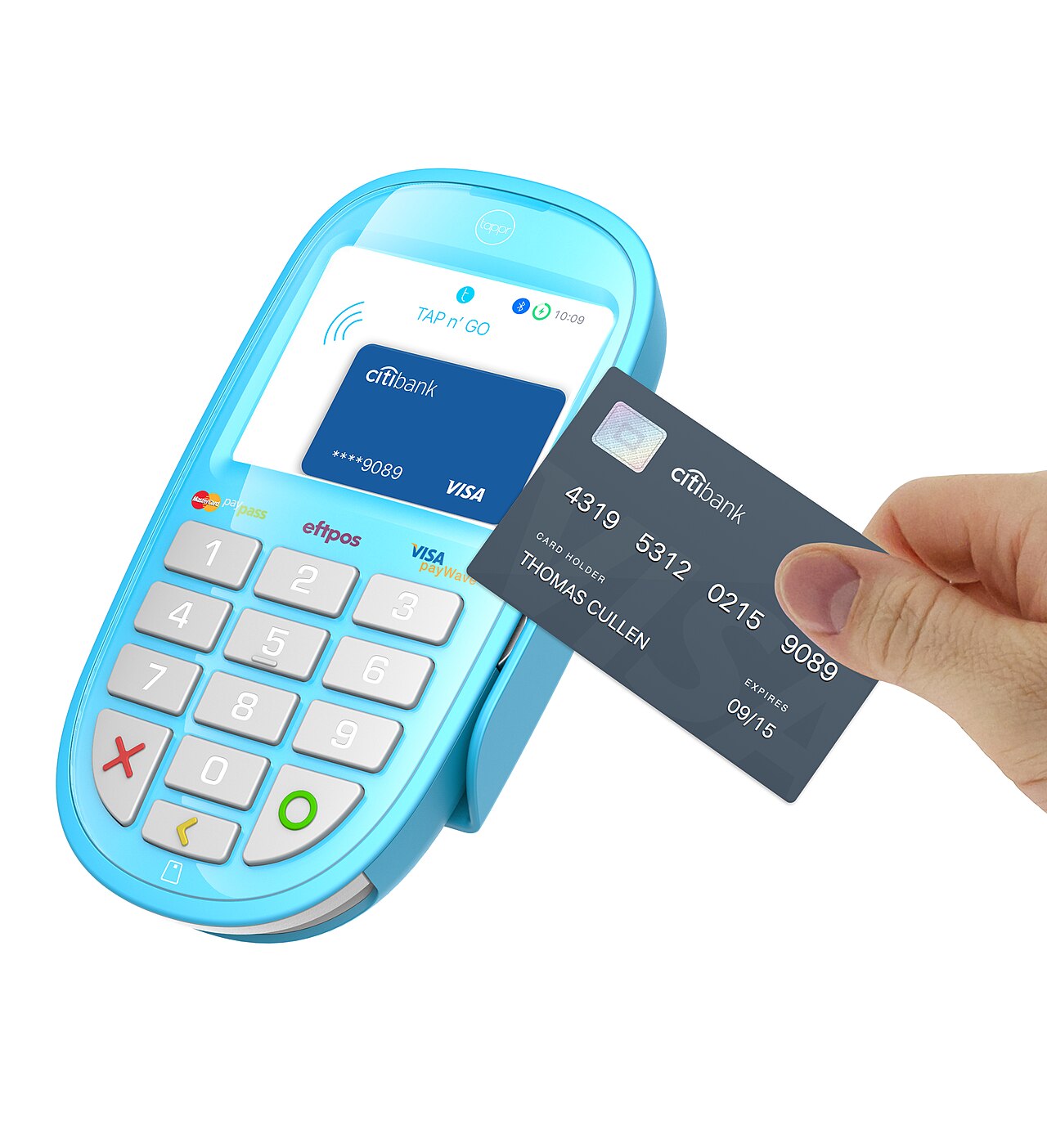
Map synced and device-bound passkeys, backups, weak fallbacks, and device-loss recovery before changing sign-in methods.
A channel-switching protocol for family, bank, executive, and official impersonation that does not depend on detecting synthetic audio.
Lock the device, number, wallets, and accounts in priority order, then document and report suspicious transfers.
Recognize payment requests designed to rush you past a good question.
How AI voice clones and deepfake video are used in bank and business fraud, the warning signs, and practical defenses for families and finance teams.
What passkeys are, why banks and regulators are moving away from SMS one-time codes, and how to set up stronger sign-in on your financial accounts.